Lessons from a reluctant Dungeon Master
Learning to Handle the Unexpected
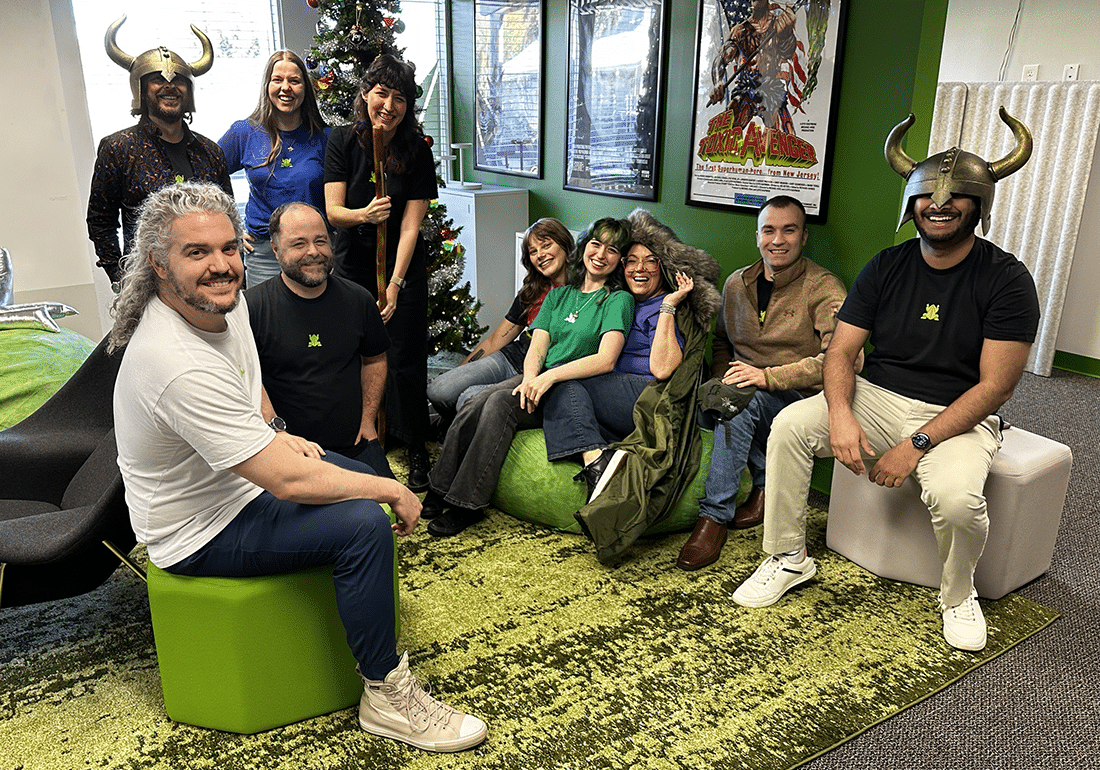
Recently, I had a client ask me a question I wasn’t prepared for. A year ago, I probably would have frozen or started internally spiraling. This time, I calmly told him I’d need to gather the details and follow up later. It was a small moment, but it felt like progress. Afterward, I realized something surprising: running a Dungeons & Dragons game for my coworkers had a lot to do with it.
At first glance, that connection might seem a little unexpected. What does playing a tabletop game at work have to do with handling real client situations? But the more I’ve spent time with the game, the more I’ve realized it builds skills that translate directly into how we handle situations professionally, especially when things don’t go according to plan.
What Makes Dungeons & Dragons Different
For a long time, I felt like I needed a strong sense of control in order to feel prepared. Before client meetings, I would create detailed outlines, full slide decks, and even scripts for what I planned to say. If someone asked a question I hadn’t anticipated, I could usually respond, but internally, it felt stressful.
Dungeons & Dragons doesn’t really allow for that kind of control. One of the defining elements of the game is randomness. Each character has strengths and weaknesses, but ultimately, the dice determine what actually happens in any given moment. You can have a great idea or a solid plan, but the outcome is never guaranteed. That unpredictability is what separates D&D from something like improv. It introduces a structured kind of uncertainty that you have to work within.
Over time, that experience starts to shift your relationship with failure. When outcomes aren’t entirely within your control, failure feels less like a personal shortcoming and more like part of the process. You learn to move forward anyway.
Why Roleplay Builds Empathy
Roleplay itself isn’t new. It’s been used in therapeutic settings for decades as a way to practice navigating difficult conversations or relationships. More recently, there’s been growing interest in studying how tabletop roleplaying games can offer similar benefits in a more approachable, low-pressure format.
What makes D&D especially effective is that it creates distance from real-world situations. You’re not directly reenacting a personal conflict, you’re engaging with a fictional scenario that still requires problem-solving, communication, and emotional awareness. That separation makes it easier to experiment and reflect.
Another interesting aspect of the game is the ability to step into a different perspective. Sometimes players choose characters who reflect who they aspire to be. Other times, they intentionally play someone very different from themselves. Both approaches build empathy in different ways. You’re constantly considering how someone else—with different motivations, experiences, or personality traits—might respond in a given situation.
As a Dungeon Master, that effect is amplified. You’re responsible for portraying a wide range of characters, each with their own perspective. It requires you to think more broadly about how different people might interpret the same scenario, which is a valuable skill in any collaborative environment.
The Dice Tell the Story
Dungeons and Dragons and other TTRPGs are often described as collaborative storytelling between the DM and the players, but the third contributor is the dice. You’ll often hear the phrase “the dice tell the story,” and it really captures what makes the game unique: no matter how prepared or confident you are, there’s always a chance things won’t go your way. And honestly, that’s where the game gets interesting.
When the dice don’t cooperate (especially when you fail in a big, obvious way) you’re forced to adapt. You have to figure out what that failure looks like, why it happened, and what to do next. More often than not, those moments end up being the most memorable parts of the story. They add texture, tension, and sometimes a bit of humor that you couldn’t have planned for. Rather than derailing the experience, these failures are often what make it meaningful.
This is also what sets D&D apart from pure improv. You’re not just making things up, you’re reacting to constraints. The dice introduce friction, and that friction forces creativity. Over time, you get more comfortable operating without full control, and that discomfort starts to feel a lot less intimidating. It turns out that’s a pretty useful skill outside of the game, too. In work, just like in D&D, things don’t always go according to plan. You can prepare thoroughly and still be met with unexpected questions, shifting requirements, or outcomes you didn’t anticipate. The difference is how you respond, and practicing that adaptability in a low-stakes, collaborative environment makes it easier to carry into higher-stakes situations later.
Becoming the Dungeon Master
When I first thought about running a game, I was honestly pretty intimidated. There had been interest around the office for a while, but I kept hoping someone else would take the lead. Eventually, I realized that if I wanted it to happen, I was going to have to be the one to start it. That wasn’t an easy decision. I had tried running a game once before and it didn’t go well. I didn’t have enough experience, I didn’t feel prepared, and the whole thing left me a little discouraged for a long time.
But the interest was still there, and so was my own desire to play, so I decided to try again, just with a different mindset. This time, I made a deal with myself to keep the bar low. Instead of trying to plan everything perfectly, I focused on making it easy to get started. That shift made a huge difference. I felt less pressure to have all the answers, and as a result, I was able to relax and be more flexible during the sessions. As the game went on, I found myself relying less on detailed preparation and more on thinking in the moment. At the same time, the players started to feel more comfortable jumping in, trying things, and making mistakes without overthinking it.
Getting Comfortable with the Unknown
A few months in, the difference is noticeable. Players are making more creative choices, taking risks, and engaging more deeply with both their characters and the story. Some have even talked about wanting to change their characters now that they better understand the world and the kind of role they want to play. And honestly, that feels like part of the point. We’re not locked into one way of showing up. Just like in the game, we can adjust, experiment, and evolve based on what we learn along the way.
One of the biggest takeaways for me has been this: you don’t need to have everything figured out before you start. In fact, you probably won’t. And waiting until you do can keep you stuck longer than necessary. A lot of us hesitate to begin something new because we feel unprepared or assume we won’t be good at it right away. So we try to build confidence first, or gather more information, or “practice” before actually doing the thing. But at some point, you just have to start.
Games like Dungeons and Dragons create a space where it’s safe to be imperfect. The stakes are low, but the lessons are real. You learn how to adapt, how to think on your feet, and how to stay engaged even when things don’t go as planned. And those are skills that translate surprisingly well beyond the table. Whether it’s leading a meeting, trying something new at work, or speaking up when you’re unsure, there’s real value in showing up before you feel completely ready. Worst case, you roll a 1. Best case, you learn something you wouldn’t have otherwise.