Image source: Shutterstock
It’s been a big year for innovation, and at Sourcetoad, we’re always on the lookout for tools that help us build smarter, move faster, and make the complex feel downright elegant. From AI coding assistants to minimalist API testers, 2025 delivered a crop of new (and not-so-new) tools that made a serious impact on our workflows.
These are the tools our team couldn’t stop talking about this year. Some are bleeding-edge, and some are old standbys. All of them have earned their place in our daily toolkit.
Wispr Flow
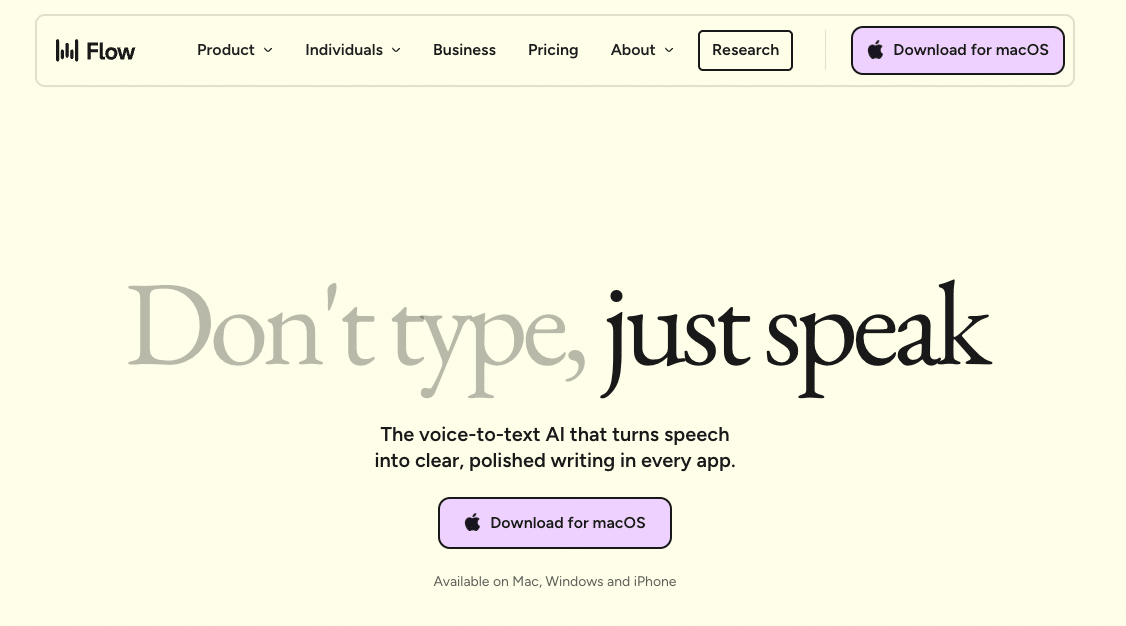
Wispr Flow allows users to dictate text and commands at speeds that often outpace traditional typing. The voice-to-text engine works across apps like Slack, Google Docs, and VS Code, automatically formatting the output into polished content. It even understands coding syntax and CLI commands, which makes it surprisingly useful for hands-free programming, note-taking, and documentation. Our team appreciated how it kept them in flow, especially when juggling multiple contexts or switching between meetings and heads-down development.
Claude Code
Claude Code is part of Anthropic’s suite of AI tools and offers an AI coding assistant that integrates naturally with the developer workflow. Rather than switching over to a separate interface, Claude Code lives right inside your terminal or editor. It interprets natural language commands within the context of your codebase, helping to generate, refactor, or debug code efficiently. To quote one of our team members:
“Claude Code is a beast when it comes to agentic development, with support for MCP, custom commands, skills, and sync across cloud and local Claude instances. The Opus and Sonnet 4.5 family of models is impressive in its thoughtfulness and code writing, and being the default in CC makes it a no-brainer. I’ve even installed it onto a Raspberry Pi to work on code there—Claude Code helped me set up my in-home intranet!”
v0 by Vercel
v0 by Vercel made waves with its ability to turn plain language into working React components. It combines the power of Vercel’s front-end infrastructure with AI-generated UI scaffolding, streamlining how developers move from concept to code. The tool was particularly helpful during client discovery and prototyping sessions, allowing our teams to iterate quickly without compromising code quality. v0’s integration into the broader Vercel ecosystem made it even more valuable for teams already committed to their platform.
Hurl
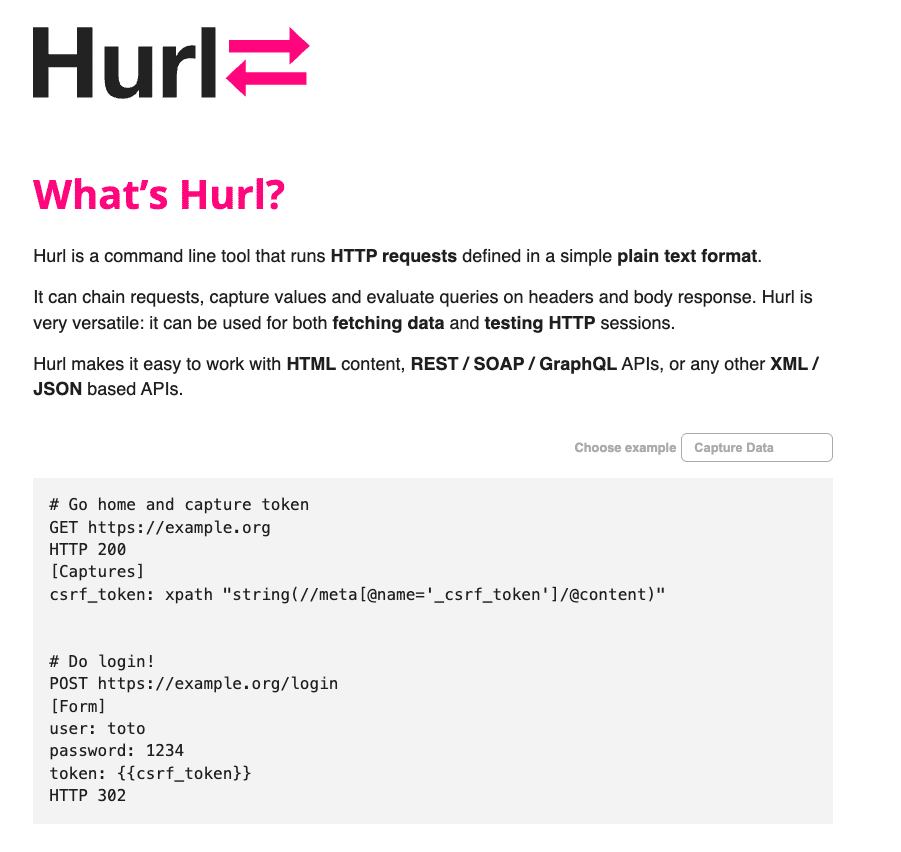
Hurl is a command-line tool that simplifies making and testing HTTP requests. It lets developers define API calls in plain text, add assertions, chain requests, and test endpoints directly from the terminal. Hurl combines clarity with flexibility, making it ideal for integration testing, API validation, and lightweight automation. It has the power of Postman or Insomnia in text, and we found it especially useful paired with AI to help make quick scripts.
regex101
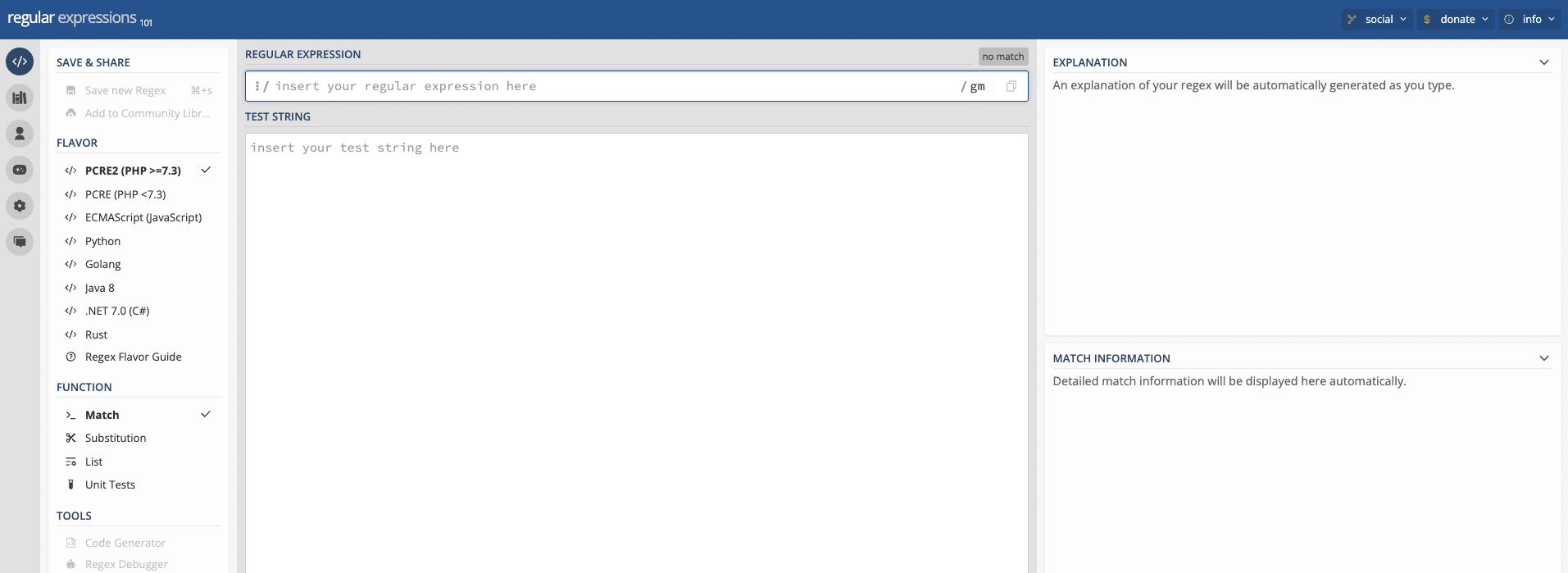
regex101 may not be new, but it remains a beloved tool by our team. Our team loves how it breaks down regular expressions and explains how they work in a very visual way, making complex pattern-matching logic much easier to understand and debug. Whether we’re validating form input, parsing logs, or cleaning data, regex101 provides an intuitive way to test and refine patterns before pushing them into production. It’s a great example of a tool that just works, and continues to deliver year after year.
Memgraph
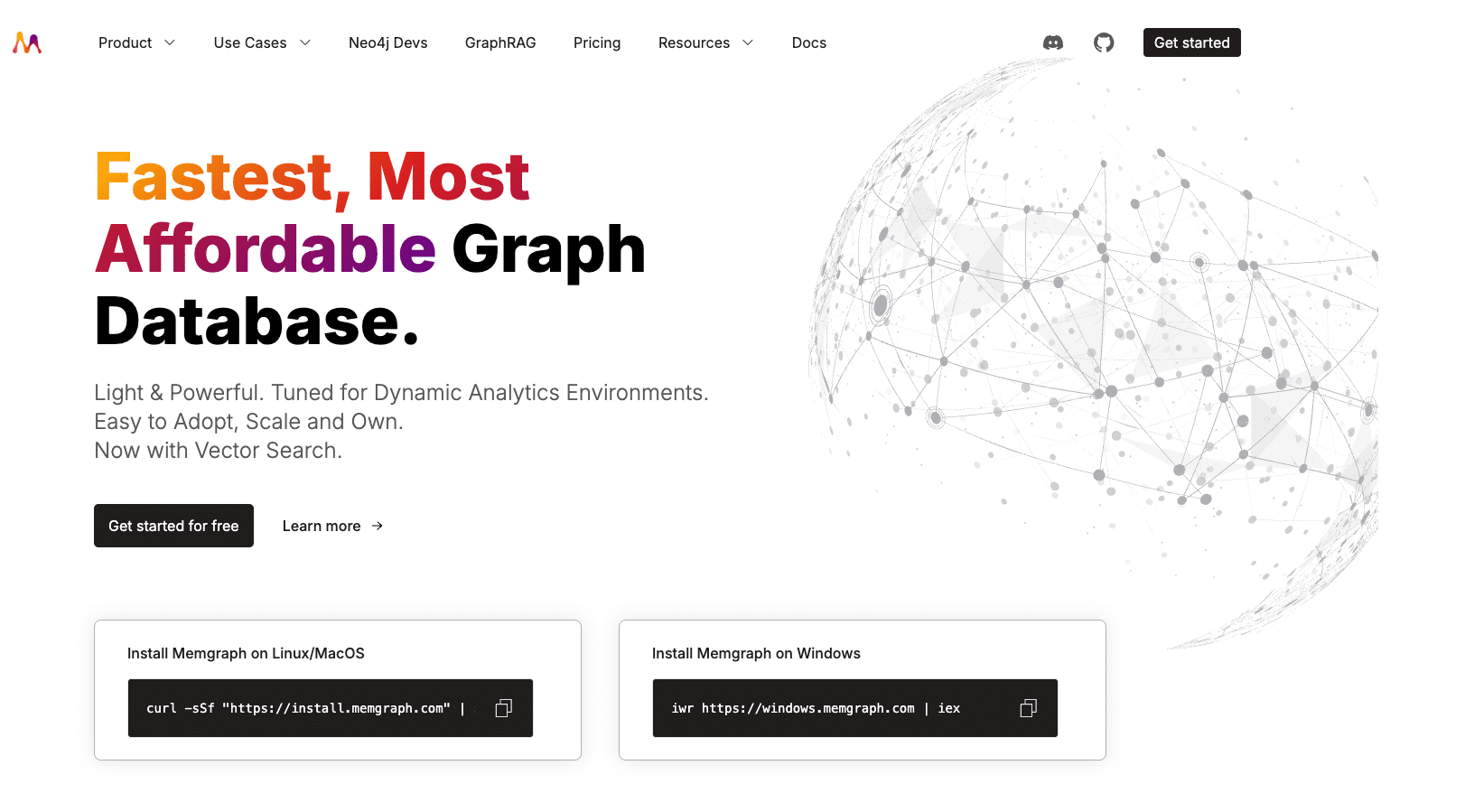
Memgraph is a real-time, in-memory graph database designed for speed and analytical power. Using the familiar Cypher query language, it excels at modeling and traversing complex relationships in data. We’ve found it especially valuable in projects that involve recommendation engines, fraud detection systems, or knowledge graphs where understanding how things are connected is more important than tabular data alone. Memgraph offers strong performance and developer-friendly tools, making it a compelling alternative when traditional relational databases fall short.
Let’s Talk About Tools
The tools we use shape the way we solve problems. When a tool feels intuitive, responsive, and well-suited to the task at hand, it helps us focus more on delivering great results and less on fighting the process.
At Sourcetoad, the right tools don’t just help us move faster, they help us think more clearly, collaborate more effectively, and stay aligned with our clients’ goals. These tools stood out in 2025 not just because they’re clever, but because they helped us do better work.
Interested in learning how tools like these can improve your development workflows or support your digital transformation initiatives? Reach out to us to schedule a consultation or demo.