
Image credit: Shutterstock
Modern software is not built from scratch. It is assembled from open source packages, build scripts, automation tools, cloud services, CI/CD workflows, APIs, and developer tooling. That model helps teams move quickly, but it also creates a larger surface area for attackers. AI has now raised the stakes. The same tools that help developers prototype, inspect code, and automate maintenance can also help attackers research public repositories, generate convincing malicious packages, scan new environments, and move faster than traditional security processes expect.
For business leaders, this is no longer just a backend engineering concern. If your customer portal, booking engine, claims system, franchise operations platform, or internal workflow tool depends on modern software, then software supply chain security is part of business continuity. At Sourcetoad, we think about this risk every day. Our job is to help clients benefit from modern software, open source, automation, and AI without inheriting unnecessary exposure from the development process.
What Is Software Supply Chain Security?
Software supply chain security protects every component and process involved in building and running software. That includes source code, open source libraries, package registries, build systems, deployment pipelines, infrastructure templates, developer tools, and third party services. The OWASP Software Supply Chain Security Cheat Sheet is a useful reference for how broad this risk area has become.
The challenge comes from trust. When a build process automatically downloads packages from npm, PyPI, Composer, Maven, NuGet, or another registry, it is trusting that those packages are what they claim to be. It is also trusting that the maintainers have not been compromised and that the package version has not been poisoned.
Open source software is not the problem. In fact, open source is one of the reasons modern software can be built quickly and affordably. The risk comes from using open source without visibility, review, monitoring, and clear ownership. A healthy security program treats dependencies like part of the vendor supply chain. Teams should know what is inside an application, which versions are being used, which packages are maintained, and which components create risk.
How Software Supply Chain Attacks Work
A software supply chain attack targets the trusted parts of the development and deployment process. Instead of attacking the finished application directly, an attacker compromises something the application already trusts.
One common pattern is malicious package publishing. An attacker uploads a package that looks useful, imitates a popular package, or uses a name close to a real package. A developer or automation tool installs it, and the package runs code during installation or build. That code may steal credentials, modify files, create persistence, or contact an attacker controlled server.
Another pattern is dependency confusion. This happens when an internal package name is exposed and an attacker publishes a package with the same name to a public registry. If the build system is misconfigured, it may pull the public package instead of the private one. OpenSSF’s npm supply chain best practices call out dependency confusion, secure CI configuration, and hijacked dependencies as issues teams need to manage.
Maintainer compromise is especially concerning. In this case, the real package is compromised through stolen credentials, phishing, token theft, or abused publishing permissions. The package name looks correct. The repository may look legitimate. The malicious version may only exist briefly, but automated systems can still pull it into a build before the community catches it.
Why AI Changes the Risk
AI coding tools help teams move faster. They can summarize unfamiliar code, generate migration patches, write tests, refactor code, and speed up routine maintenance. Those benefits are real.
Attackers can use the same kinds of tools. AI can help a malicious actor inspect public code, generate exploit ideas, write credible package descriptions, create phishing messages, and automate parts of reverse engineering. That means vulnerable applications, misconfigured registries, and newly exposed environments can attract attention faster than many organizations expect.
Recent security work reflects this trend toward automation and scale. GitHub’s documentation for Dependabot malware alerts notes that malicious packages can be used to gain access to code, data, users, and contributors. OpenSSF’s Package Analysis project looks for suspicious package behaviors, including which files packages access, which addresses they connect to, and which commands they run.
Sourcetoad’s position is practical: use AI where it helps, but keep humans in the loop for security sensitive decisions. Automation should speed up the work, it should not own the risk decision.
Open Source Dependencies Need Governance
Open source packages are the building blocks of modern software. They handle authentication, logging, image processing, payment integrations, data validation, mobile build steps, infrastructure automation, and thousands of other jobs. To avoid risk, teams shouldn’t avoid open source, they should manage it properly. Teams need dependency visibility, lockfiles, deterministic installs, vulnerability scanning, malicious package alerts, and review processes for new or unusual packages.
A Software Bill of Materials, or SBOM, can help create that visibility. CISA describes an SBOM as a nested inventory, or ingredient list, for software components. That framing matters because executives already understand vendor lists, service providers, audit trails, and accountability.
Dependency trees are often larger than they appear. A team may install one package and inherit dozens of transitive dependencies. Small packages can still create large risk because they may run installation scripts, access environment variables, or influence the build process. That is why package management needs to be treated as an operational discipline rather than routine housekeeping.
Why Instant Dependency Updates Can Be Risky
Keeping dependencies current is good security practice. Old packages can contain known vulnerabilities, and delaying patches indefinitely creates its own risk. The nuance is that updating instantly is not always safer. Newly published package versions can be malicious, broken, or compromised before researchers, maintainers, registries, and automated scanners have enough signal to flag them.
That is why cooldown periods can be useful. Instead of pulling a brand new package version the moment it appears, a team waits a short period before adoption. During that window, maintainers may yank a bad release, automated systems may detect suspicious behavior, and public advisories may surface.
At Sourcetoad, we use dependency review, updated package tooling, automated checks, and cooldown periods to reduce the chance that a newly published package moves directly into a client environment without appropriate scrutiny.
CI/CD Pipelines Are Part of the Attack Surface
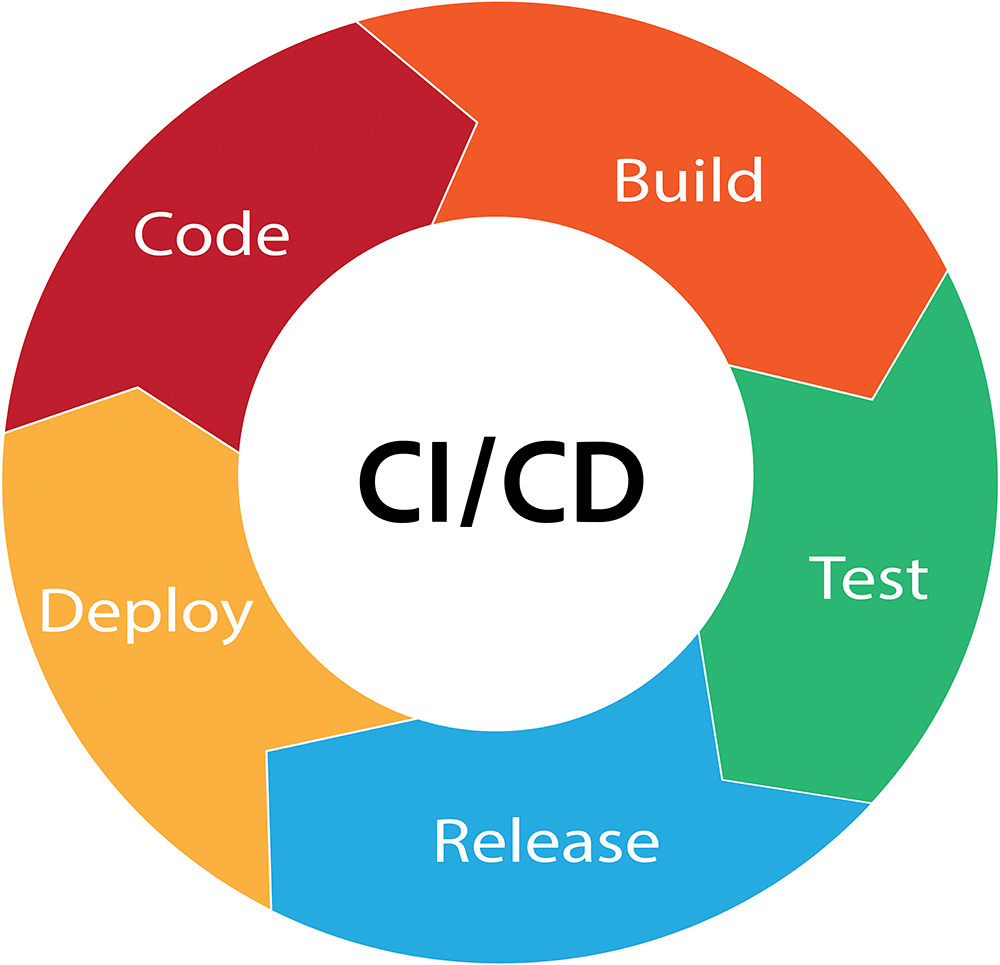
CI/CD pipelines turn code into running software. They run tests, build artifacts, create containers, publish packages, deploy services, and often access secrets. That makes them valuable targets. NIST’s SP 800-204D focuses specifically on integrating software supply chain security into DevSecOps CI/CD pipelines for cloud native applications. That guidance is important because CI/CD is not just a convenience layer. It is part of the software factory.
Common CI/CD risks include over privileged tokens, long lived credentials, untrusted pull request workflows, insecure build scripts, unpinned third party actions, exposed secrets, and package installation during builds without verification. Sourcetoad treats CI/CD security as part of production engineering. The pipeline deserves monitoring, ownership, maintenance, and review because it sits close to the systems, secrets, and infrastructure that keep applications running.
New Cloud Environments Can Be Exposed Quickly
Modern cloud infrastructure makes it easy to spin up new environments. That speed is useful, but it can also create exposure if environments become reachable before they are fully hardened. Public signals can make new environments visible quickly. Certificate Transparency logs, DNS records, cloud metadata, and automated scanning tools can all help attackers identify newly created targets.
Certificate Transparency exists for good reasons. Let’s Encrypt describes Certificate Transparency as a system for logging and monitoring TLS certificate issuance, which helps improve visibility into certificate activity and supports a healthier certificate authority ecosystem. At the same time, research on Certificate Transparency and the internet ecosystem has shown that CT logs can also reveal new targets for scanning campaigns within minutes of certificate issuance.
Sourcetoad pays attention to this sequencing. We work to avoid leaving blank, partial, or unsecured environments exposed during setup. It is a small operational detail that can make a meaningful difference.
What Sourcetoad Does to Reduce Risk
Our approach to supply chain security is workflow based. Security is part of how software is selected, built, tested, deployed, monitored, and maintained. That includes dependency review, updated package tooling, cooldown periods for new packages and dependency updates, human review of automated changes, safer environment sequencing, monitoring, and alerting.
We also separate speed from autopilot. Automation can identify updates, open pull requests, run tests, and surface issues. Human engineers still need to review changes that affect security, deployment, authentication, infrastructure, payments, or sensitive data.
Our clients should not have to track every malicious package campaign, package registry incident, or CI/CD exploit pattern. That is part of the risk we manage. We use modern tools and disciplined engineering practices so clients can benefit from fast software development without having to become supply chain security experts themselves.
Questions Executives Should Ask Their Software Partner
Executives do not need to audit every package. They do need to know whether their software partner has a real operating model for supply chain risk.
A few practical questions can reveal a lot. How are new dependencies reviewed? Are dependency updates scanned before release? Are package updates allowed to reach production automatically? Does the team use lockfiles and deterministic installs? Are there cooldown periods for newly published packages?
CI/CD questions matter too. Where do secrets live? Are deployment credentials short lived? Are third party actions pinned and reviewed? Can untrusted code access sensitive pipeline context? Are build artifacts traceable to source commits?
The best answer is not a vague promise that security is built in. A strong partner should be able to explain which risks are controlled by tooling, which require human review, which are accepted for business reasons, and which need remediation.
Security Is a Workflow, Not a Feature
AI will continue making software teams faster, which is good for companies that need better operations, smarter automation, and stronger customer experiences. The organizations that benefit most will be the ones that pair speed with disciplined engineering.
Software supply chain security is now part of responsible software leadership. Open source packages, dependency automation, CI/CD pipelines, cloud environments, and AI assisted development all create enormous leverage. They also create trust relationships that attackers can exploit.
Sourcetoad’s perspective is simple: faster software is only useful when it is durable, secure, and maintainable. A custom application that helps the business scale should not quietly introduce avoidable risk through its build process. That is why security belongs inside the workflow, from package selection to production monitoring. Sourcetoad helps teams build, harden, and support production software with the engineering discipline needed to keep speed from turning into exposure.